Templo de Kataragama


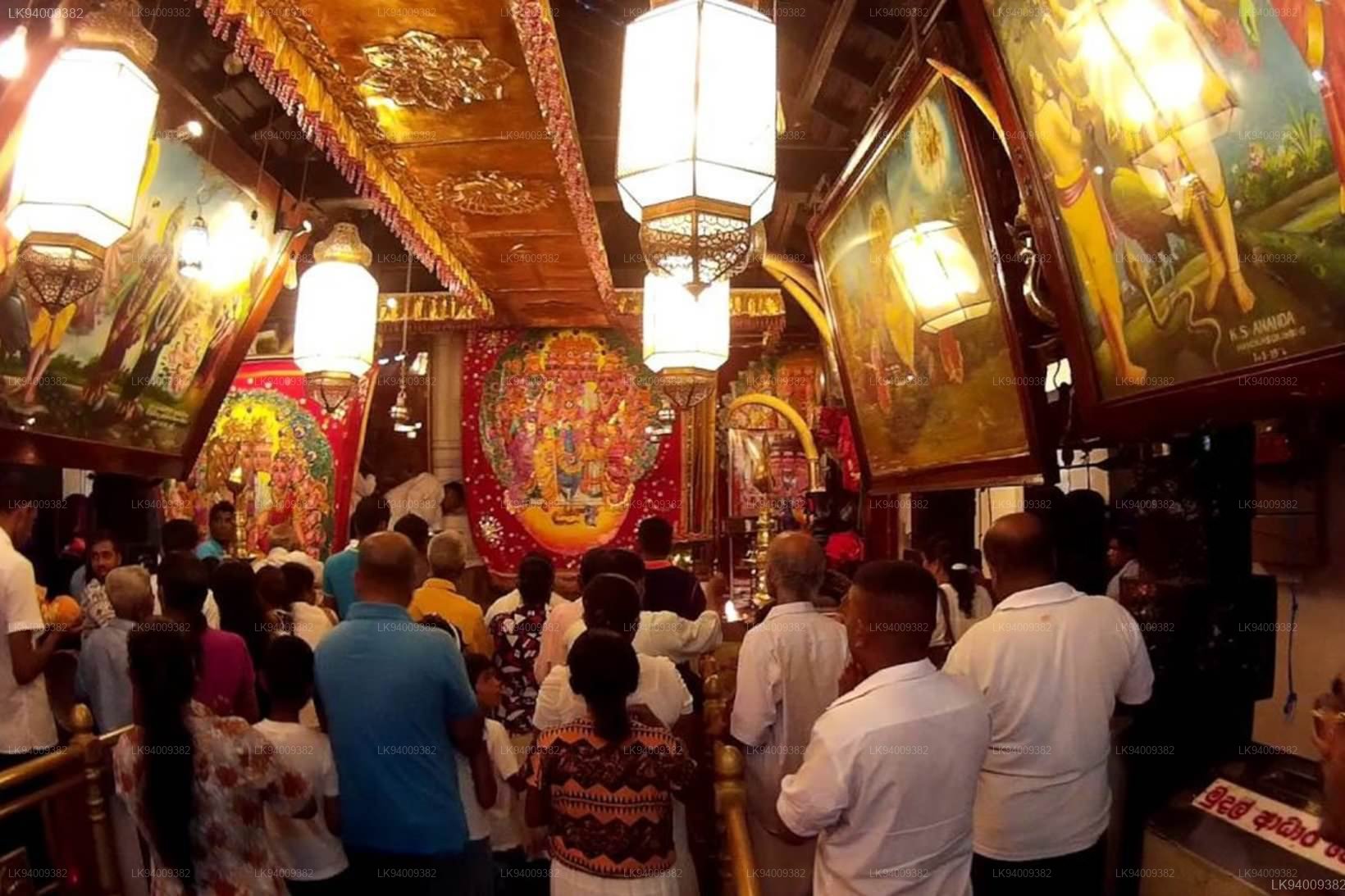
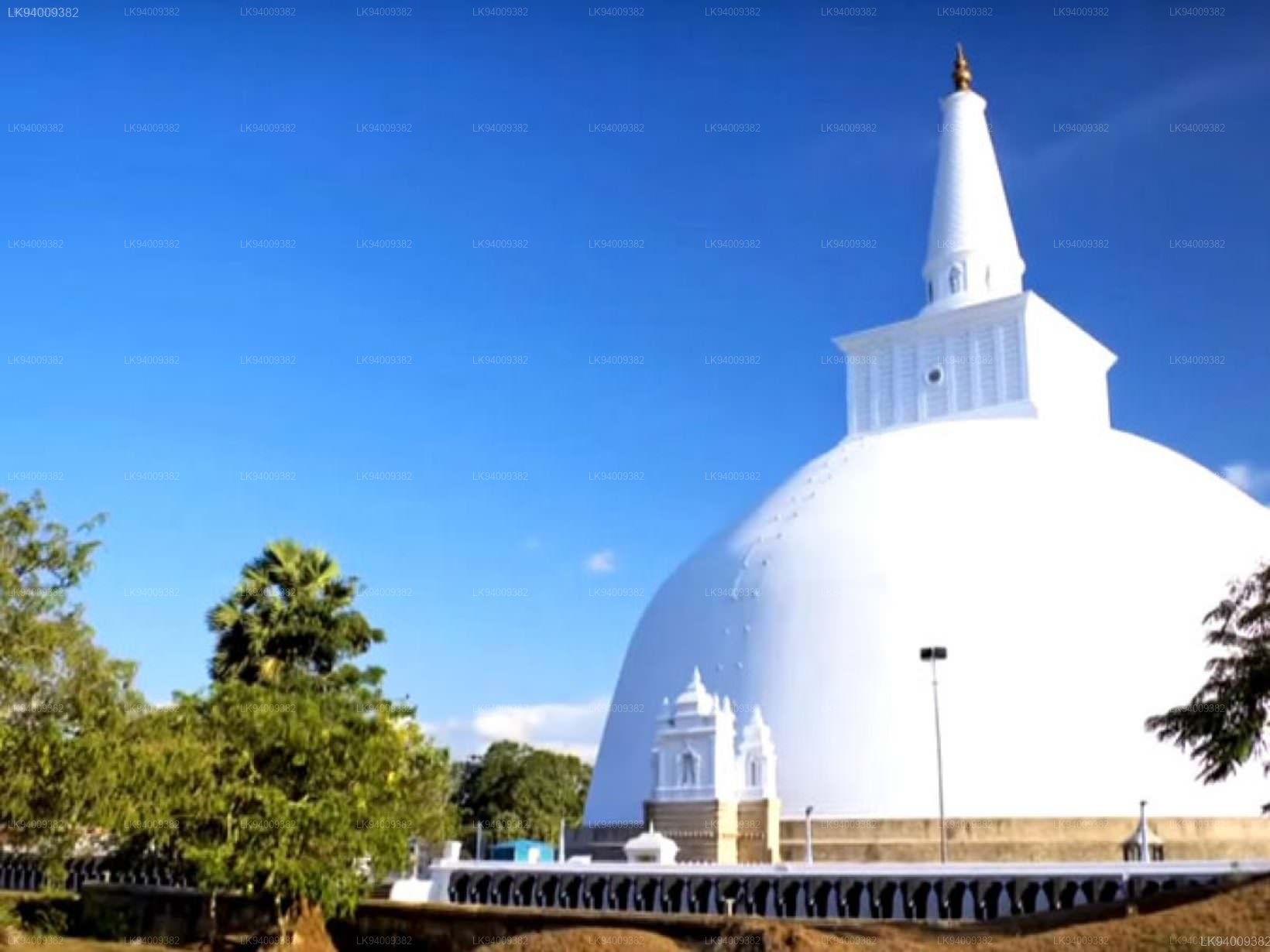
El Templo de Kataragama en Kataragama, Sri Lanka, es un complejo de templos dedicado al dios protector budista Kataragama deviyo y al dios hindú de la guerra Murugan. Es uno de los pocos lugares religiosos en Sri Lanka que es venerado por budistas, hindúes, musulmanes y el pueblo Vedda. Durante la mayor parte del último milenio, fue un santuario en la jungla de difícil acceso; hoy en día es accesible por una carretera transitable todo el año. Los templos y el cercano Kiri Vehera son gestionados por budistas, los templos dedicados a Teyva?ai y Shiva son gestionados por hindúes y la mezquita por musulmanes.
Hasta la década de 1940, la mayoría de los peregrinos eran hindúes tamiles de Sri Lanka y el sur de la India que realizaban una ardua padayatra o "peregrinación a pie". Desde entonces, la mayoría de los peregrinos tienden a ser budistas sinhaleses y el culto de Kataragama deviyo se ha convertido en el más popular entre el pueblo sinhales. Existen varias leyendas y mitos asociados con la deidad y el lugar, que varían según la religión, la afiliación étnica y el tiempo. Estas leyendas están cambiando con la creciente popularidad de la deidad entre los budistas, mientras los ritualistas y el clero budistas intentan integrar la deidad dentro de los ideales budistas de no teísmo. Con el cambio en los devotos, el modo de adoración y los festivales han pasado de una orientación hindú a una que se adapta a los rituales y la teología budistas.
La falta de registros históricos claros y las leyendas y mitos resultantes alimentan el conflicto entre budistas e hindúes sobre la propiedad y el modo de adoración en Kataragama.
Los sacerdotes del templo son conocidos como Kapuralas y se cree que descienden del pueblo Vedda. Los Veddas también tienen un reclamo sobre el templo, el cercano pico de la montaña y la localidad a través de varias leyendas. Hay una mezquita y varias tumbas de hombres musulmanes piadosos enterrados cerca. El complejo del templo también está conectado con otros templos similares en la provincia oriental dedicados a Murugan que están a lo largo de la ruta de peregrinación desde Jaffna en el norte hasta Kataragama en el sur de la isla; Arunagirinathar atravesó esta ruta de peregrinación en el siglo XV. La cercanía al complejo del templo también se utiliza para prácticas secretas de brujería y maldiciones propias de Sri Lanka. Todo el complejo del templo fue declarado lugar sagrado por el gobierno de Sri Lanka en la década de 1950; desde entonces, los líderes políticos han contribuido a su mantenimiento y conservación.