Hiththetiya Rajamaha Viharaya

Hiththetiya Rajamaha Viharaya Hiththetiya Rajamaha Viharaya Hiththetiya Rajamaha Viharaya
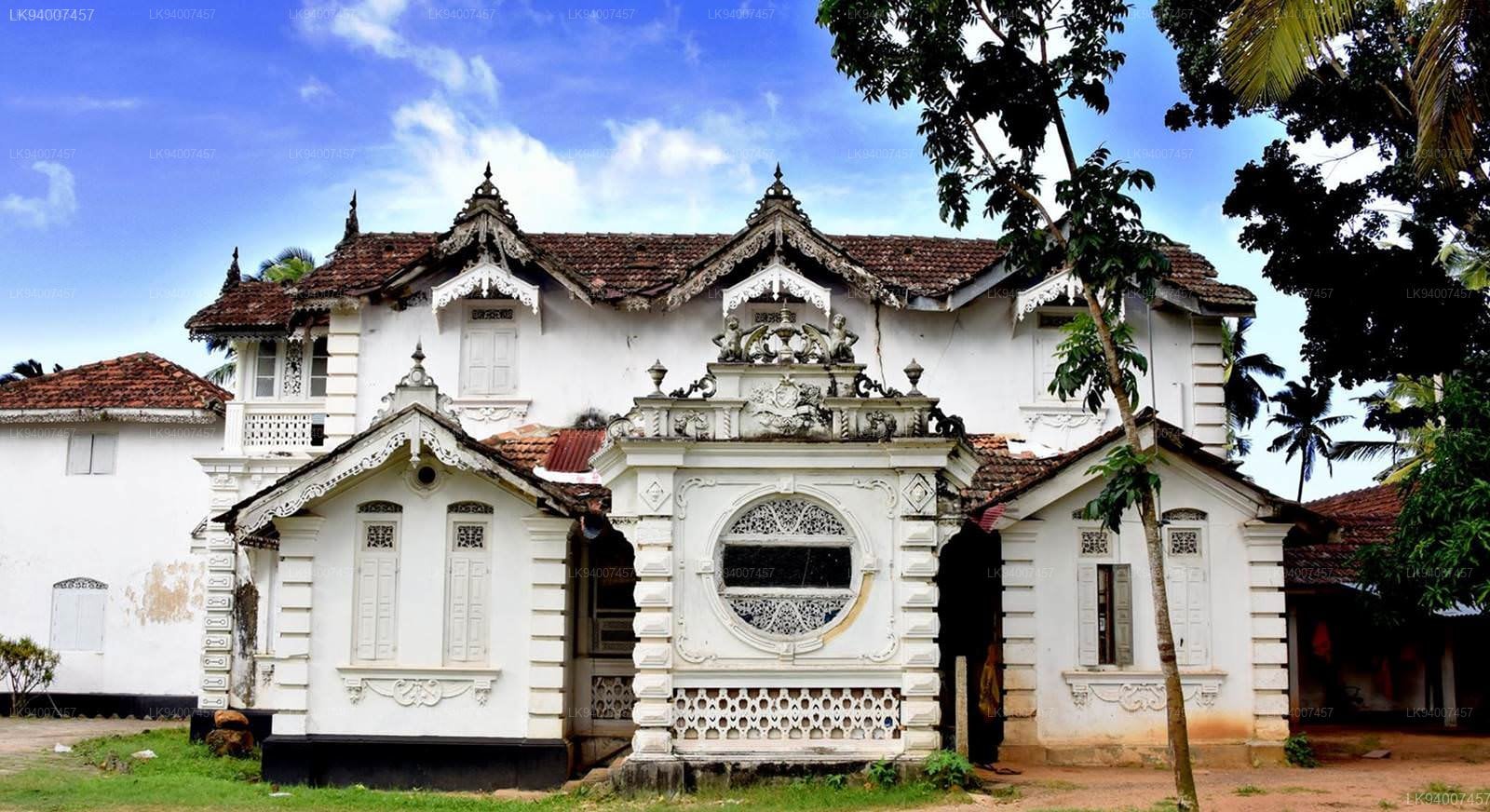
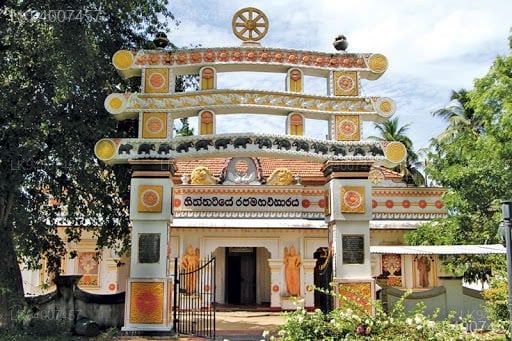
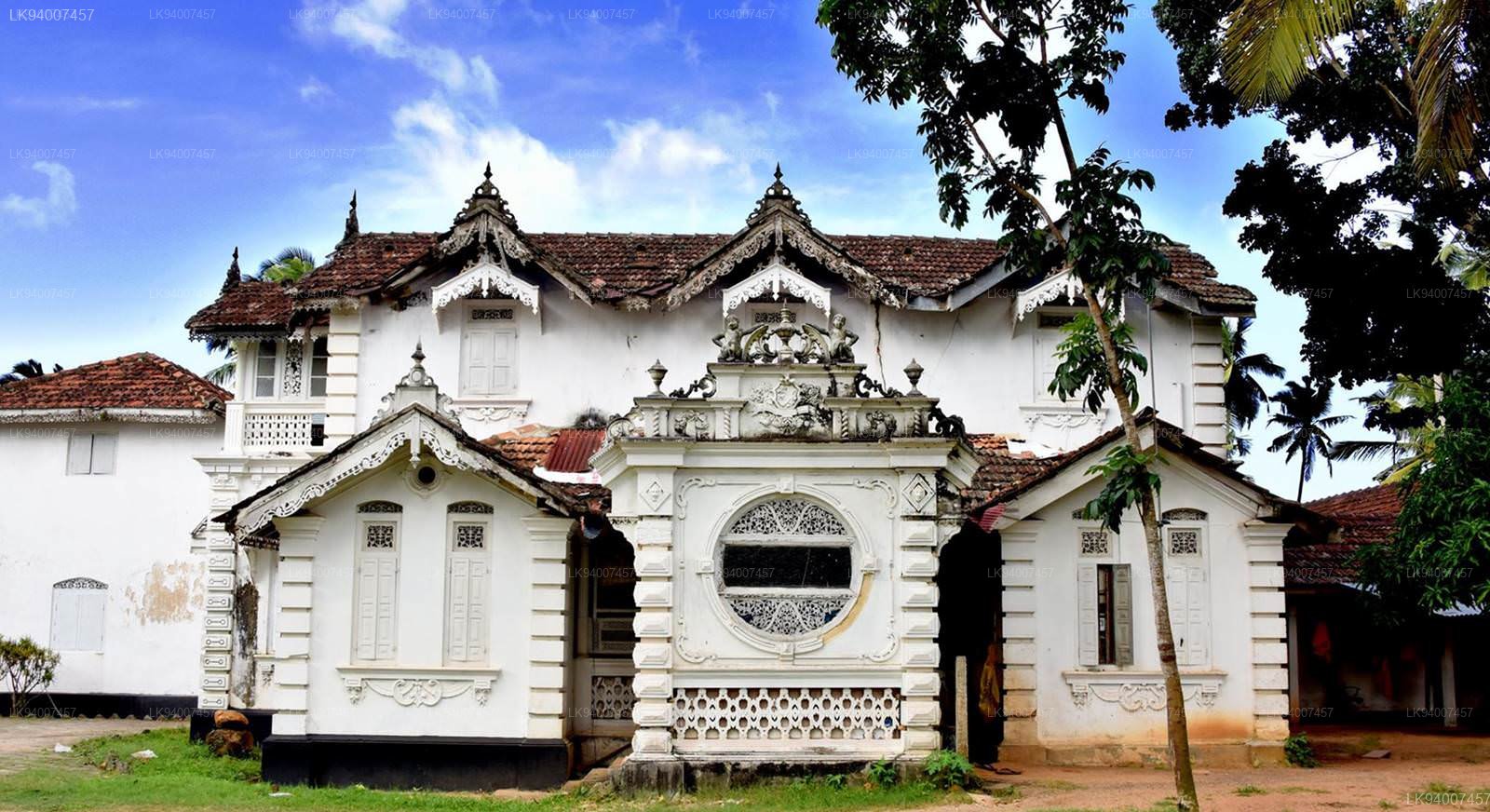
Matara Hiththatiya Rajamaha Viharaya is an ancient Temple lying very close to Matara town. The beginning of the temple is unknown, but the Bo Tree at the temple is believed to be over 1000 years old. This temple has been revived in the 18th century with the resurgence of Buddhist philosophy by Weliwita Sri Saranankara Sangaraja Thero (1698 – 1778). King Kirthi Sri Rajasinhe (1747 – 1781) has also promoted development of this temple and even today, a pair of large elephant tusks donated by the king can be found at the temple. One tusk is 7 feet in length and the other 5 feet.

The seated Buddha statue at the current image house has been salvaged from the Tampita Viharaya. This statue also known as the Sandun Pilimaya or the Sandalwood Statue is thought to be carved out of sandalwood and plastered with lime and then painted. This 3 1/2 feet tall statue with its Siraspatha is thought to be commissioned by either Weliwita Sri Saranankara Sangaraja Thero or by his student Welivitiye Sangarakkitha Thero.

In addition, an 18 riyan reclining Buddha statue flanked by Sariputta and Moggalana Theros can be seen in this image house. The current murals on the inner and outer wall of the image house has been done in 1862. The temple also owns a wooden Pirith Mandapaya built in 1842. The carvings on this structure is considered as an excellent example of the southern art form during the Kandyan era.


Hiththetiya Rajamaha Viharaya Hiththetiya Rajamaha Viharaya Hiththetiya Rajamaha Viharaya
?Text by Lakpura™. Images by Google, copyright(s) reserved by original authors.?

Acerca del distrito de Matara

El distrito de Matara, ubicado en la provincia meridional de Sri Lanka, es famoso por su belleza costera, su rica historia y su vibrante cultura local. Bordeado por el océano Índico, cuenta con impresionantes playas como Polhena y Mirissa, populares para nadar y avistar ballenas. La economía del distrito se basa en la agricultura, en particular el cultivo de coco y té, así como en la pesca. Monumentos históricos como el Fuerte de Matara y el faro de Dondra Head resaltan el pasado colonial de la zona. Con su combinación de atractivos naturales y patrimonio cultural, el distrito de Matara es un destino cautivador tanto para locales como para turistas.

Acerca de la Provincia del Sur

La Provincia Sur de Sri Lanka es una pequeña zona geográfica compuesta por los distritos de Galle, Matara y Hambantota. La agricultura y la pesca de subsistencia constituyen la principal fuente de ingresos para la gran mayoría de los habitantes de esta región.

Entre los lugares de interés de la Provincia Sur se encuentran los santuarios de vida silvestre de los Parques Nacionales de Yala y Udawalawe, la ciudad sagrada de Kataragama y las antiguas ciudades de Tissamaharama, Kirinda y Galle. (Aunque Galle es una ciudad antigua, prácticamente no se conserva nada anterior a la invasión portuguesa). Durante el período portugués, dos famosos poetas cingaleses, Andare, de Dickwella, y Gajaman Nona, de Denipitiya, en el distrito de Matara, compusieron poemas sobre la gente común.